The offer is unclear
Visitors need too much time to understand what the company does, who it serves, or why they should choose it.
We design and build websites where architecture, content, user experience, SEO, and conversion work together.
We do not start with a template. We start by understanding what the business needs to communicate, what users need to find, and what action the website should make easier.
The most important problems are not always visual. A website can look good and still make search, understanding, navigation, or conversion harder.
Visitors need too much time to understand what the company does, who it serves, or why they should choose it.
Services, products, locations, and content exist, but they do not form a clear structure for users or search engines.
The site adapts in size, but not in hierarchy, navigation, interaction, or behavior.
The website was designed first, and only afterward someone tries to add pages, keywords, and links to a structure that was never built to rank.
Users arrive but cannot find a clear path toward an inquiry, quote, demo, booking, call, or purchase.
Forms, buttons, and user journeys exist, but the measurement setup does not show what generates opportunities or where users drop off.
Each layer answers a different question. When one fails, the others end up compensating for it.
What pages the site needs, how they relate to one another, and what journey the navigation should make easier.
Not every company needs the same stack, number of pages, or level of development.
For companies that need to explain their services, sectors, and experience while generating business opportunities.
Many of the decisions that determine whether a website can rank happen before choosing colors or building components.
What the market is searching for and what deserves its own page.
How to organize services, problems, and markets.
What needs to exist and which URLs should be preserved.
What each page needs to solve.
How user journeys and topics connect.
How users understand the site and move forward.
What action the journey should make easier.
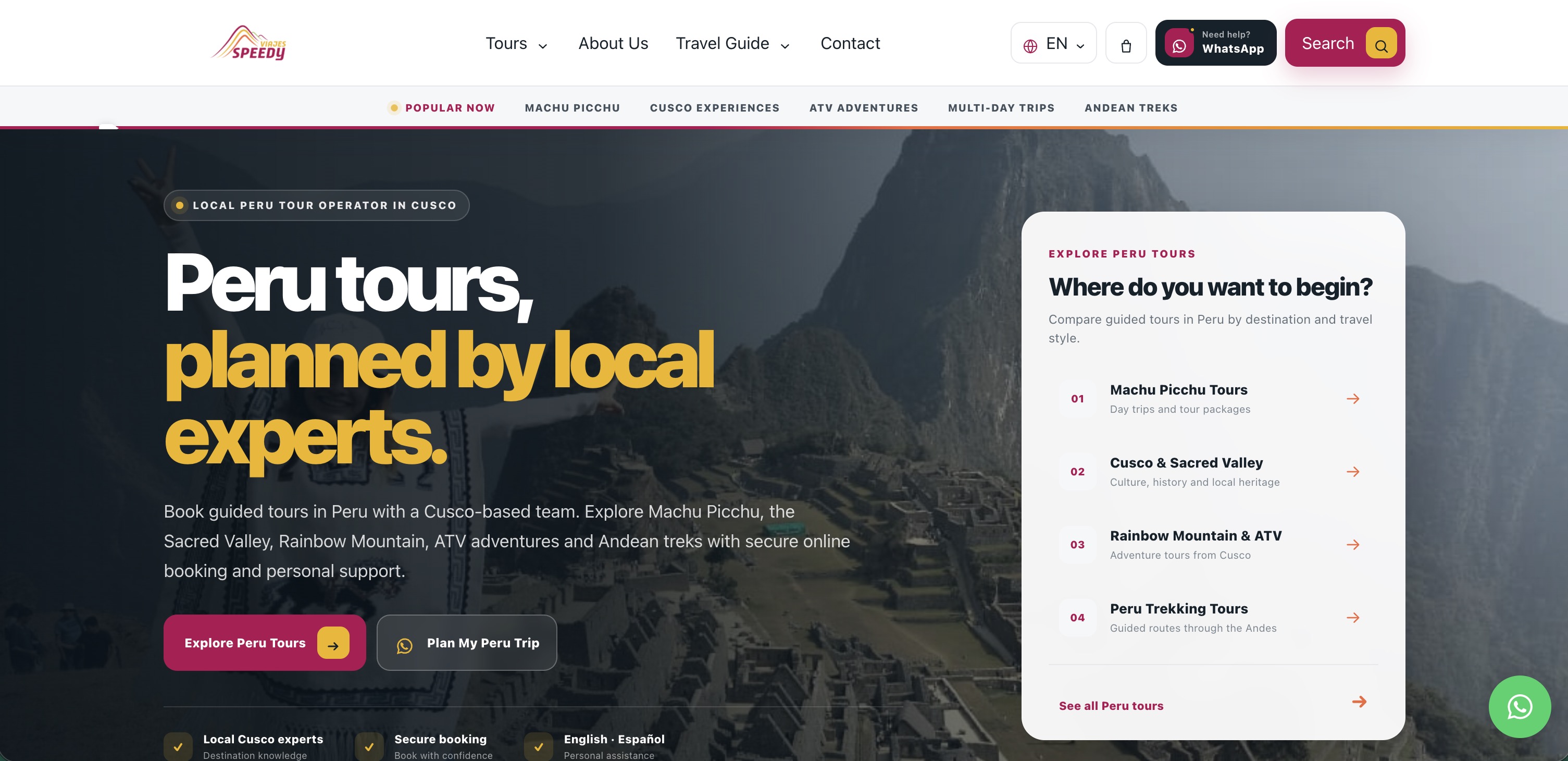

Tourism and experiences · Cusco, Peru · English and Spanish
Viajes Speedy already had a website, catalog, and content, but it showed template-like patterns, bilingual inconsistencies, trust issues, and an experience that needed to better support travelers' decisions.
The experience evolved into a clearer structure for discovering experiences, understanding who is behind the service, resolving questions, and moving toward contact or booking.
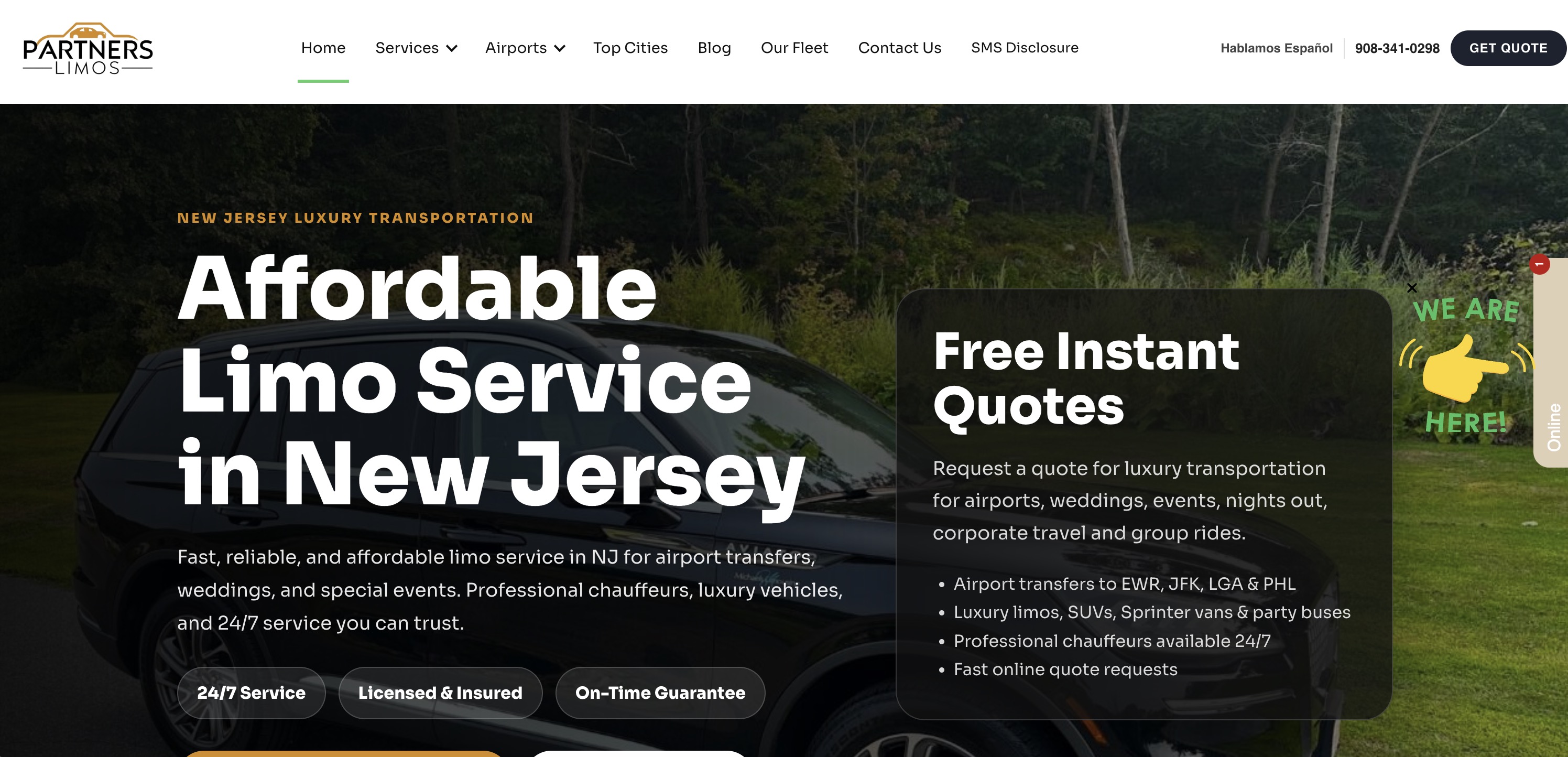
Reorganization of navigation, commercial pages, airports, and services into a clearer path toward requesting a quote.
Visit project →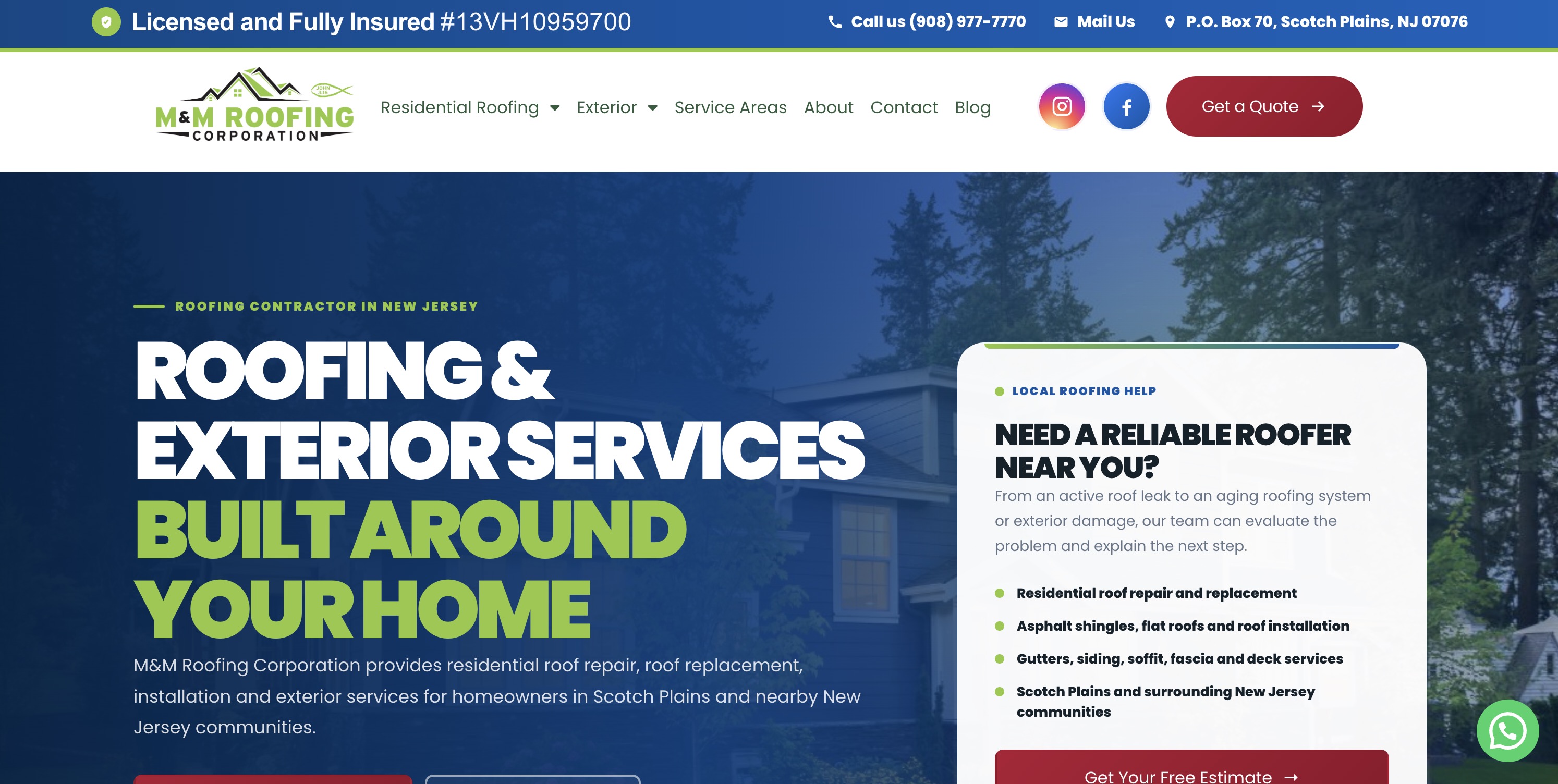
Architecture and commercial pages built around services, service areas, and quote requests.
Visit project →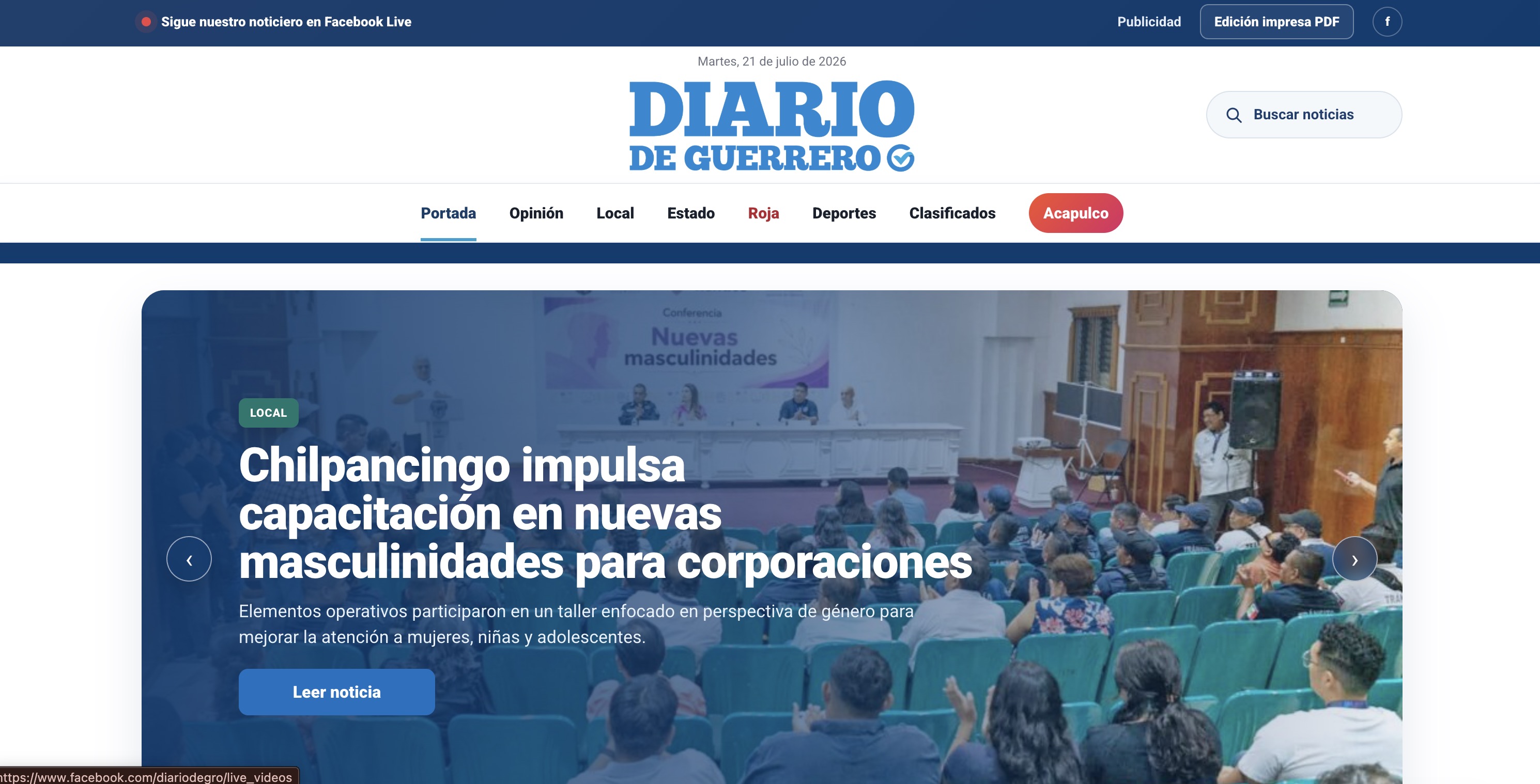
An editorial platform for managing news, sections, print editions, social channels, and advertising spaces.
Editorial project →We understand the business, its audiences, offer, objectives, existing assets, and constraints.
We define the sitemap, navigation, pages, hierarchy, SEO, and customer journey.
We validate structure and user experience before investing time in visual detail or development.
We build the visual system, components, responsive behavior, states, and interactions.
We turn the experience into functional components within the agreed stack.
We review responsive behavior, links, forms, accessibility, content, performance, and the SEO elements included in scope.
We publish, verify, and manage redirects or technical controls when needed.
We analyze data, feedback, and new opportunities after launch when the project includes ongoing follow-up.
The tool should support the project, not define it before we understand the business needs.
Easy administration, fast iteration, and custom visual components.
Ecommerce, bookings, or catalogs within the WordPress ecosystem.
For ecommerce projects where operations and the catalog already live within that ecosystem.
Custom components, prototypes, interfaces, and interactions where a page builder is not enough.
Specific logic, plugins, or functionality that needs to go beyond the builder.
Forms, CRM, bookings, payments, WhatsApp, analytics, or other systems depending on the project.
On mobile, available space, context, navigation, and interaction all change.
An attractive experience loses value when it loads poorly, makes navigation difficult, breaks forms, or is hard to use on mobile.
Before deciding on a structure or technology, we need to understand what the site must achieve.
We do not assume it needs to be removed. We analyze what should be preserved, reorganized, rebuilt, or retired.
Deliverables depend on scope. Not every project requires every element.
It depends on scope, number of pages, functionality, content, languages, integrations, and the condition of the current site. We first define what the website needs to achieve before estimating the project.
Yes. A project can involve optimization, a partial redesign, rebuilding specific pages, or a broader overhaul.
No. If the architecture and technology are still suitable, it may make more sense to fix the areas limiting user experience, SEO, or conversion.
Yes. Cubo SEO develops websites and components in WordPress/Elementor and can incorporate HTML, CSS, JavaScript, or custom development when the project requires it.
Yes. We can design the architecture, experience, and requirements and coordinate with the team responsible for implementation.
Architecture and SEO foundations should be considered from the start. The exact scope can include technical and on-page optimization or be complemented by an ongoing SEO service.
Yes, when the project and technology fit our capabilities. We have experience working with ecommerce in WordPress/WooCommerce and Shopify.
Yes. We have experience with bilingual and multilingual projects, including WordPress implementations using WPML.
It depends on the number of pages, complexity, integrations, content availability, approvals, and technical condition. The timeline is defined after we understand the scope.
The client can provide it, Cubo SEO can handle it, or we can use a shared model. When content is part of the scope, we work on structure and copy connected to SEO and the customer journey.
Depending on the project, the work can continue through SEO, content, CRO, measurement, new pages, maintenance, or data-driven improvements.